01
Systems
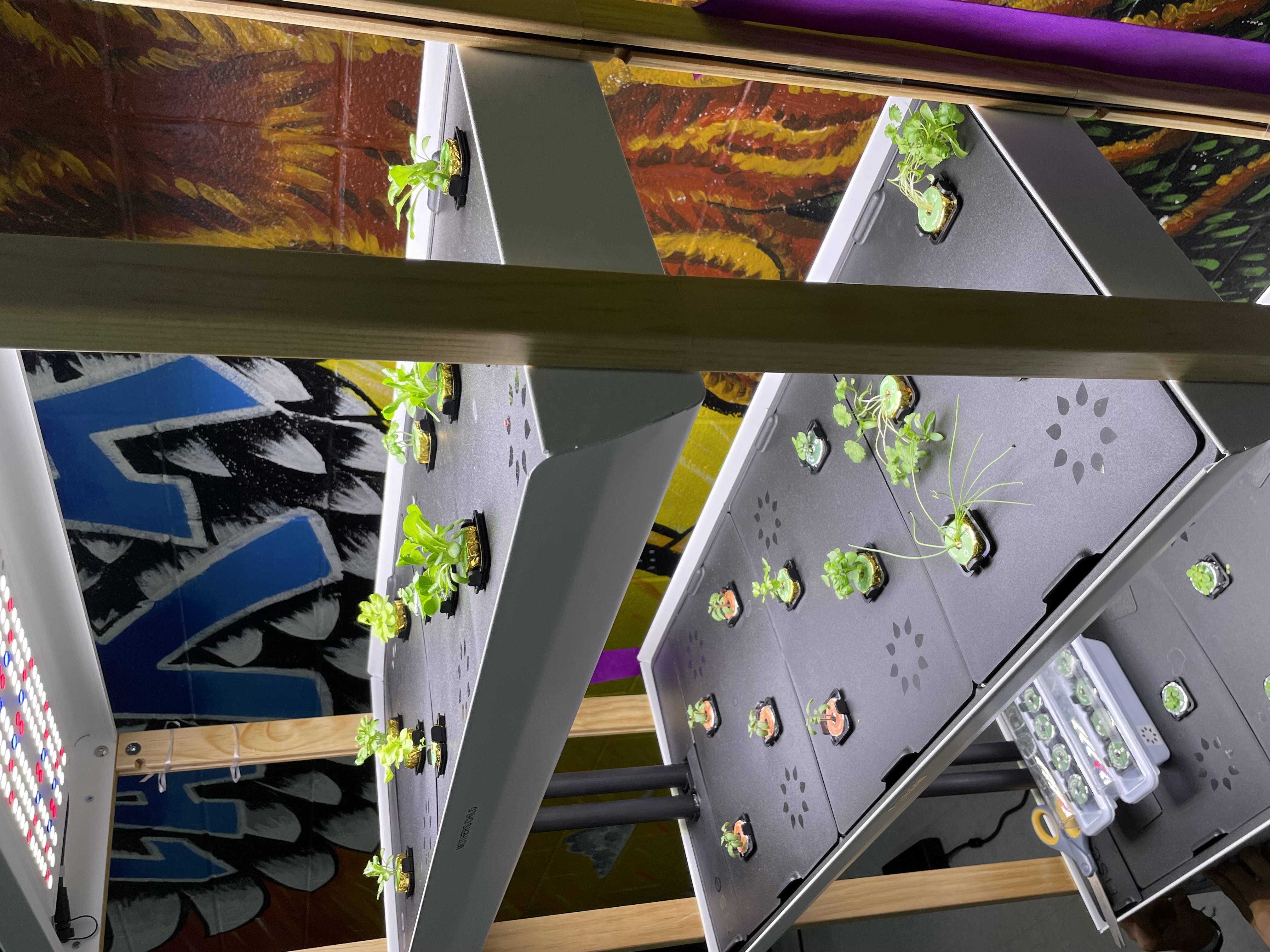
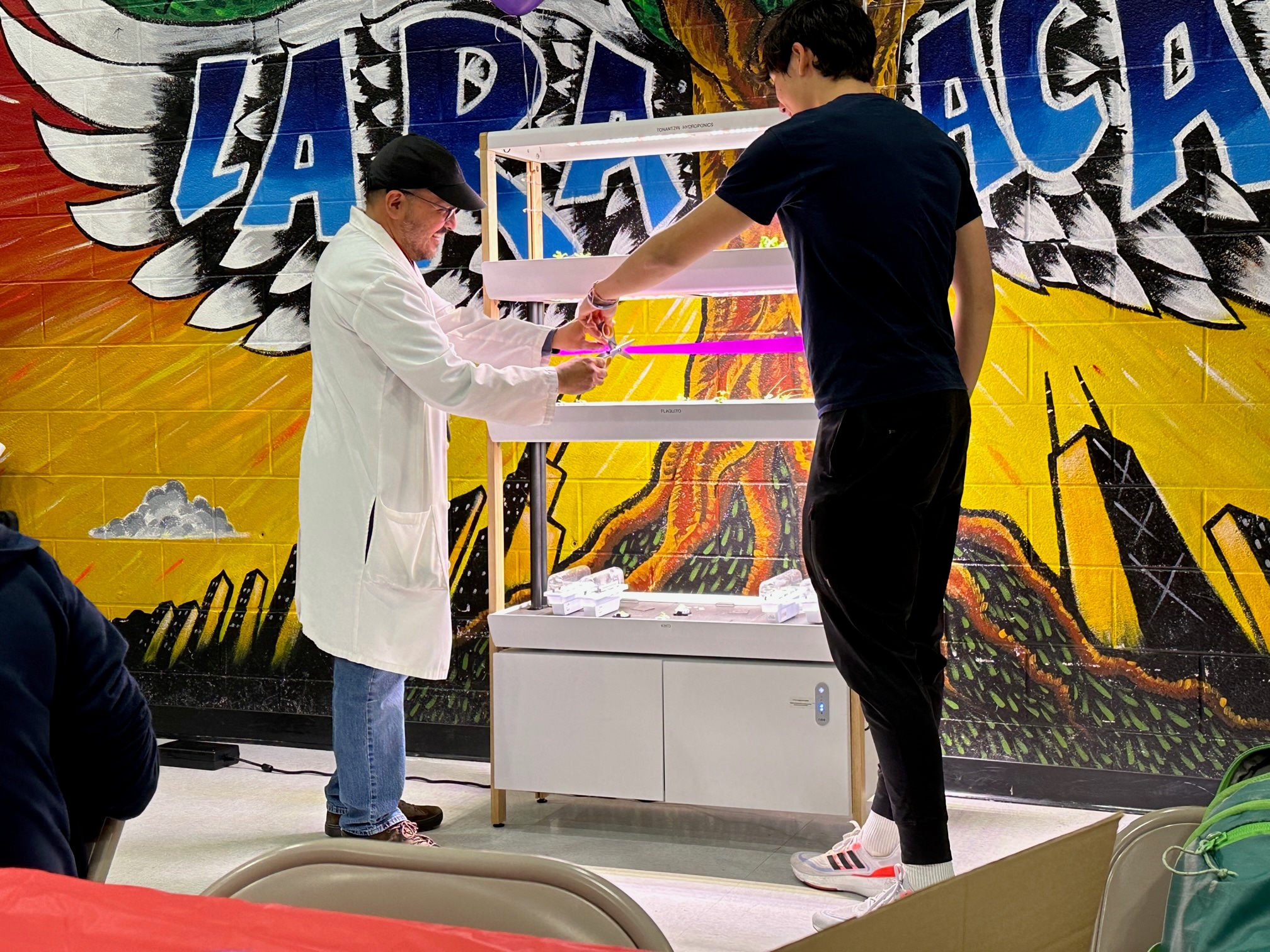
A 3-tier indoor hydroponic unit inside the classroom. Low water, high yield, year-round production. Every install is designed, maintained, and supplied by HVP at no cost to the school.
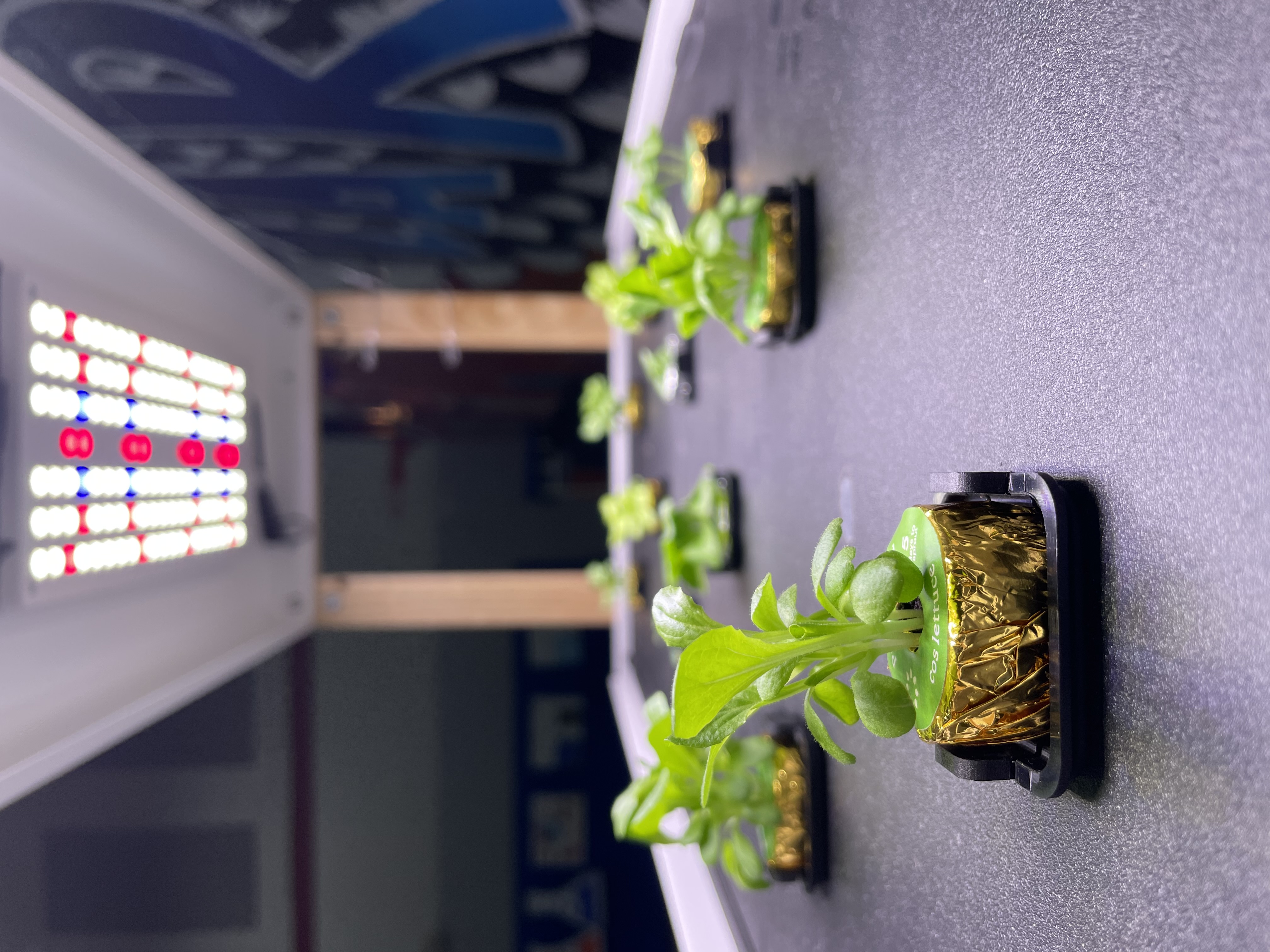
“The Hydroponic Venture Project creates a pathway for youth education and engagement by bringing indoor hydroponic growing systems into Chicago Public Schools and local communities.”
children in Cook County are at risk of hunger.
That number is concentrated in the neighborhoods already shortest on grocery access, nutrition education, and the infrastructure to change either. On Chicago’s South and West Sides, students are asked to make lifelong decisions about food, health, and the environment without the tools, the science, or the lived experience to do it well.
The outcome is predictable: a generation of young people disconnected from where food comes from, how it is grown, and how it shapes their health, their communities, and their climate.
HVP closes the gap through three tightly integrated parts.
A 3-tier indoor hydroponic unit inside the classroom. Low water, high yield, year-round production. Every install is designed, maintained, and supplied by HVP at no cost to the school.
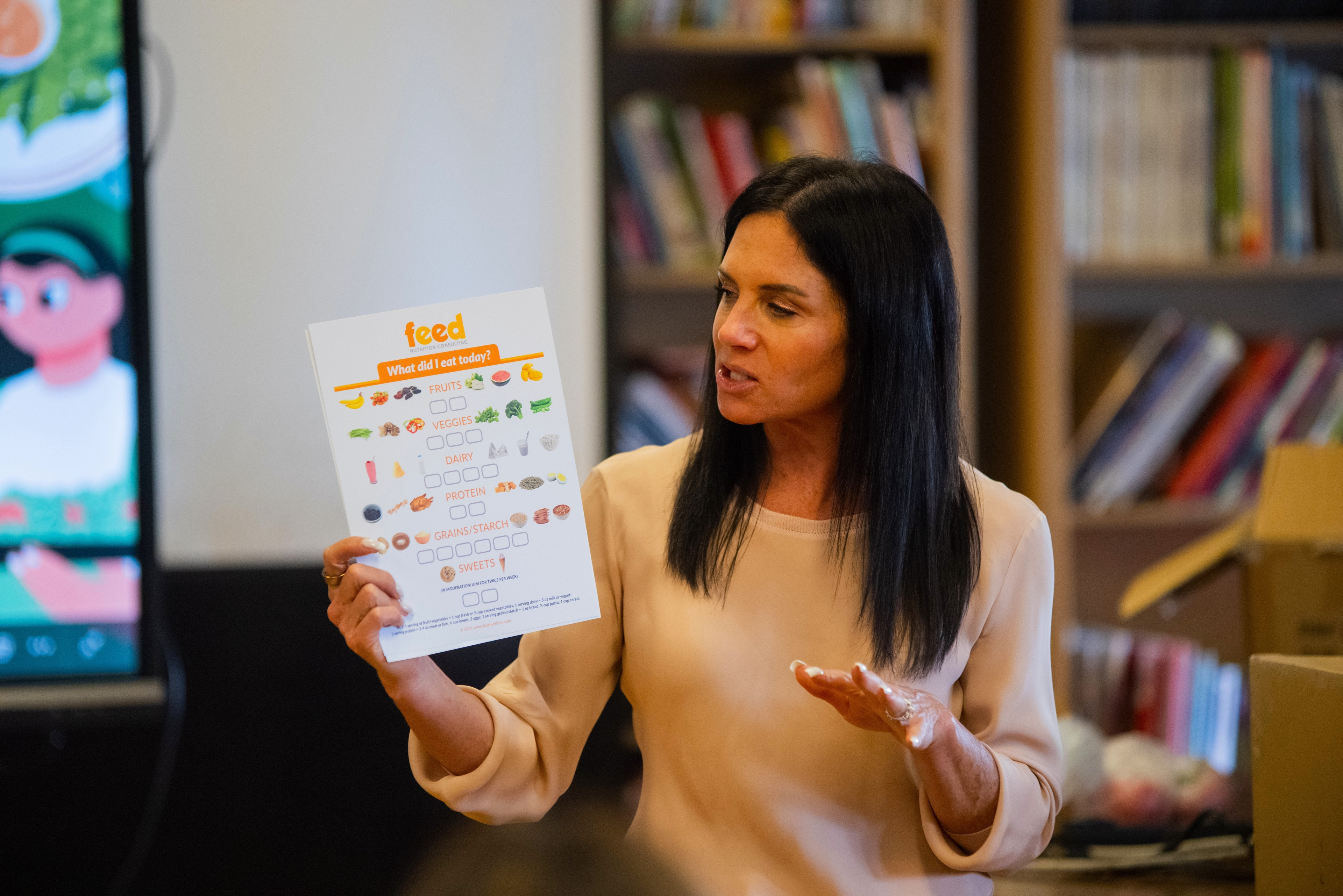
A standards-aligned, semester-long curriculum covering sustainable agriculture, nutrition, and healthy cooking. Six units across grades 6–12, co-developed with teachers and practitioners.
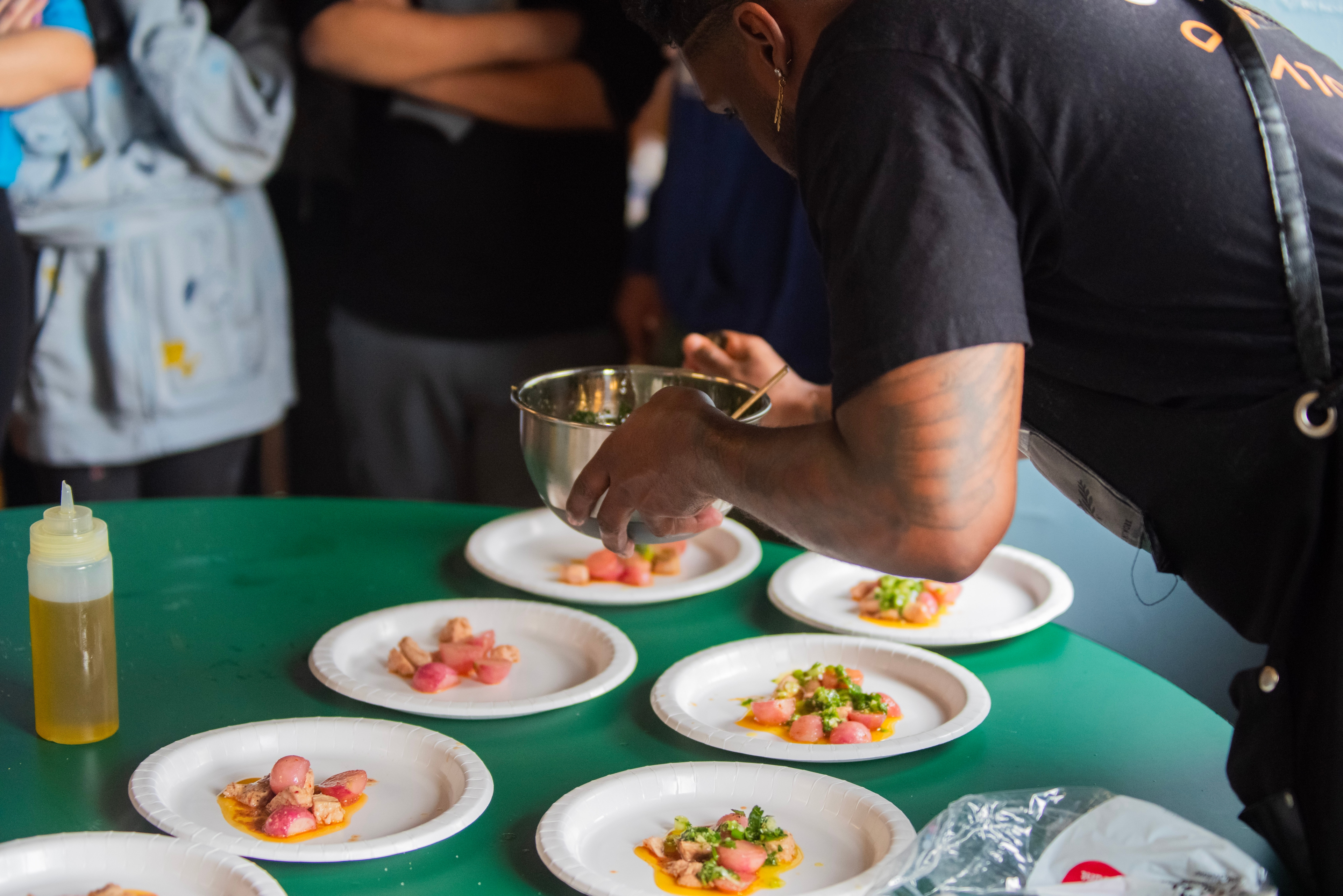
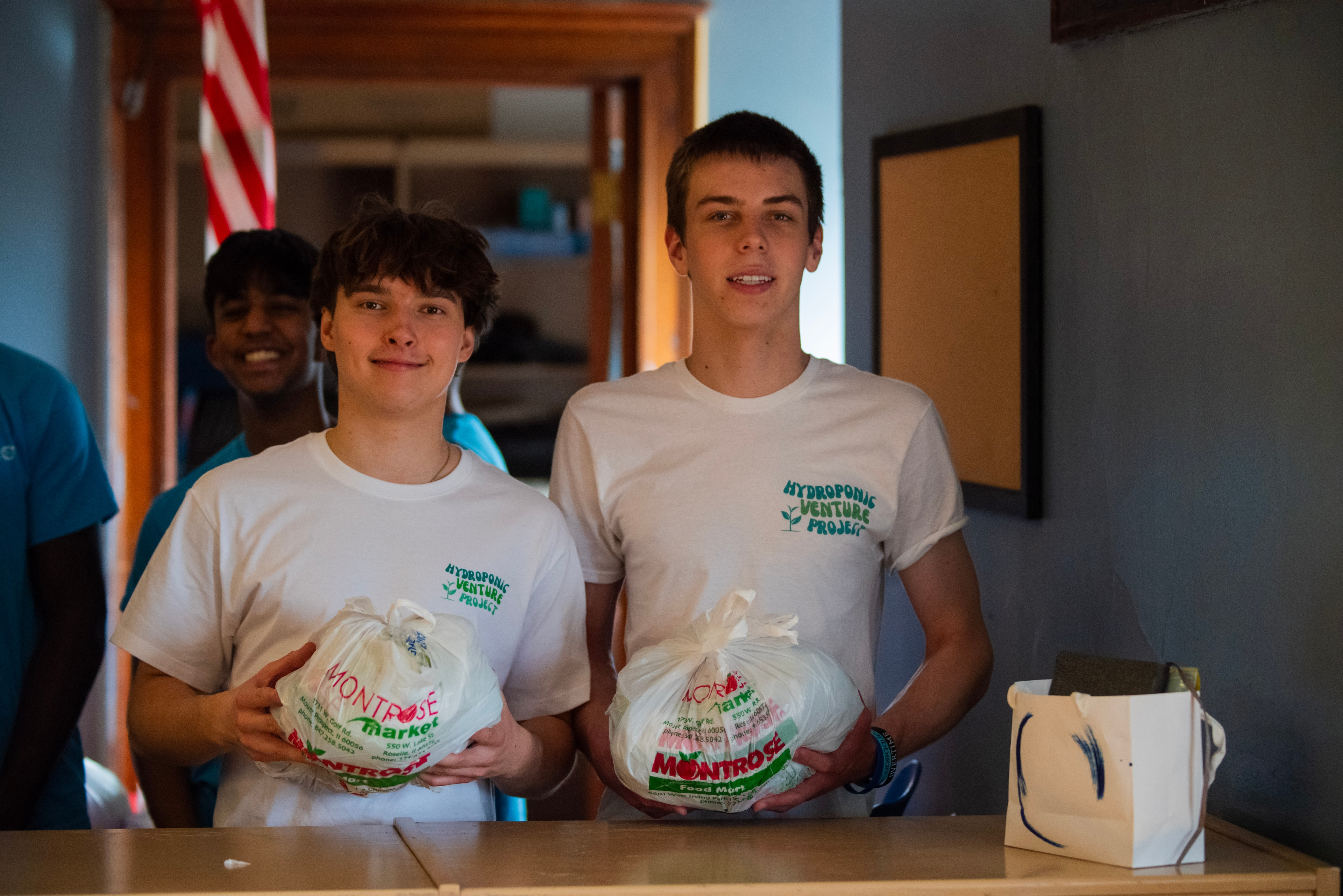
Workshops with chefs, nutritionists, and partner organizations bring the food outside the classroom: into family homes, school cafeterias, and neighborhood events.
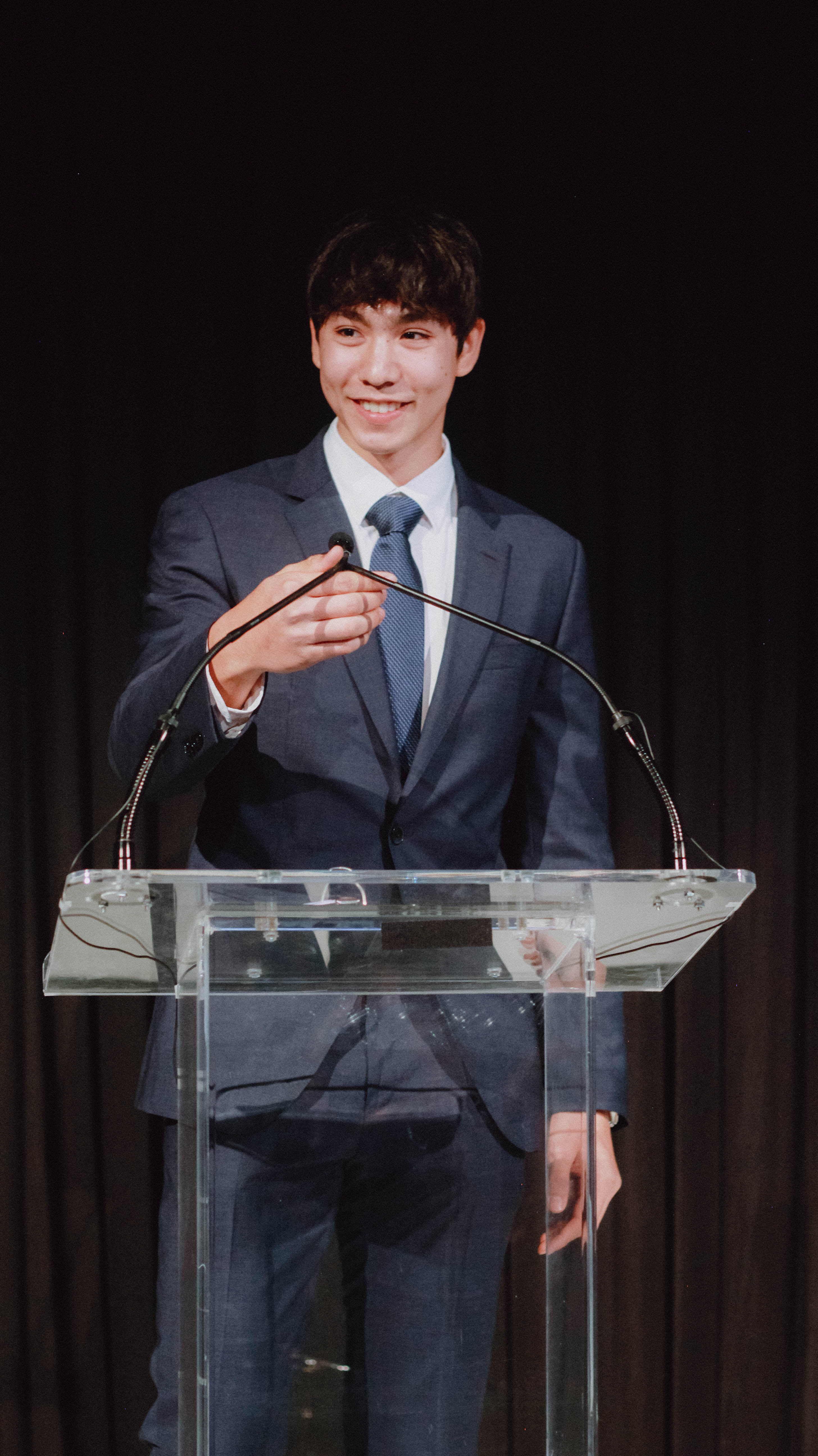
I’m Kai Fogelson, Founder and President of the Hydroponic Venture Project. I’m also a sophomore at the University of Michigan, studying business with minors in sustainability and philosophy.
I started HVP in 2022 on a simple premise: food is a universal connector. The fastest way to change how students eat, grow, and think about their health is direct exposure. Put a system in the classroom. Teach them how to run it. Let them cook and share what they grow with the people they love. The education follows the experience, and the experience compounds.
Four years in, HVP has reached more than 3,000 students across 22 Chicago schools. I couldn’t be more proud of what our team has built together, and I’m more excited than ever for what comes next.
Every install is co-designed with students, teachers, and families. We grow what each community actually asks for.
We measure outcomes. Every program has data behind it: pounds, miles, gallons, students, and learning results.
Systems, seeds, curriculum, and support are free to partner schools. Economics should not decide who gets access.
Students run the gardens, manage the systems, and represent HVP at community events. The program is theirs.
We focus on Chicago schools where access to fresh food and nutrition education has been most limited.
Teacher Fellowships, district integration, and culturally relevant curriculum make the model durable after any grant ends.
Four years of installs, classroom hours, harvests, and community events add up to measurable outcomes across Chicago Public Schools.